2026-10-21 ·
How to Check Refrigerator Seals Before San Jose Summer Heat Hits
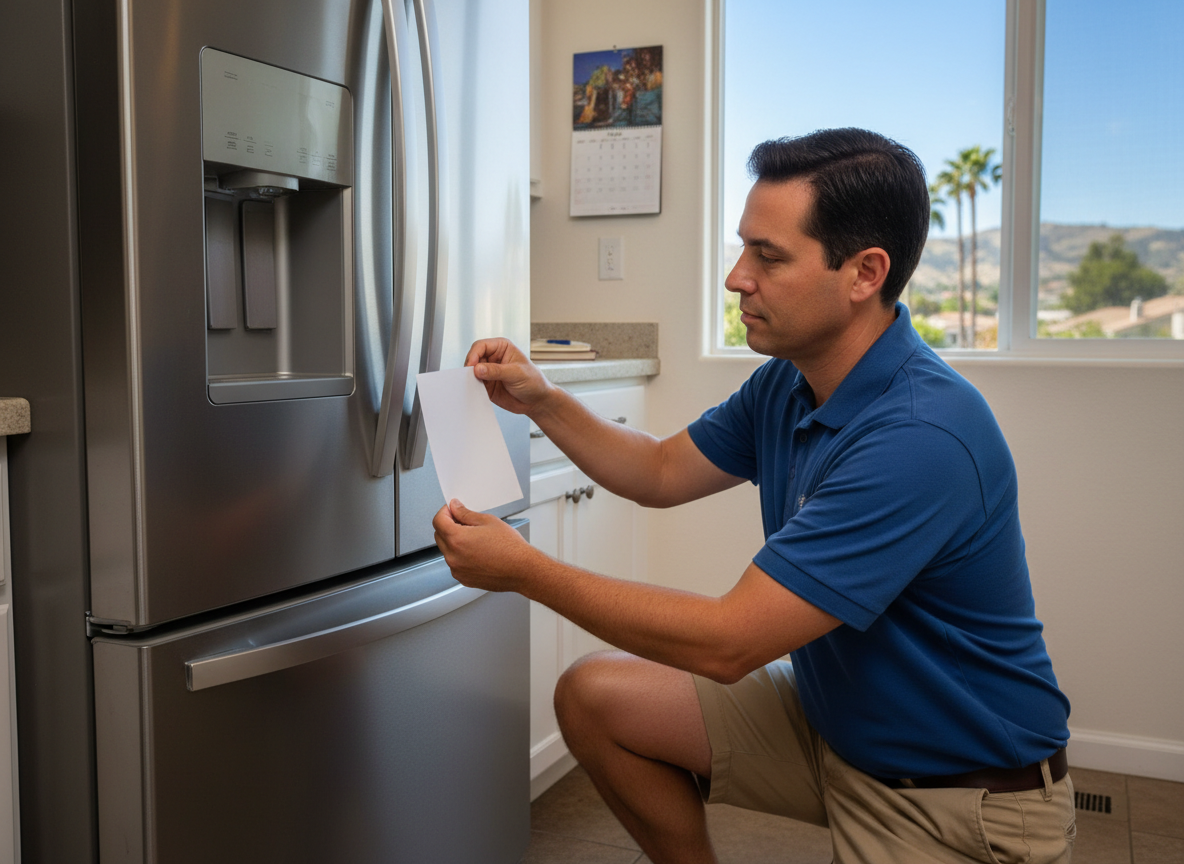
Checking refrigerator seals takes 10-15 minutes using a dollar bill or visual gap check before San Jose summer heat increases compressor runtime in Santa Clara County homes.
Understanding Local Climate Impacts on Seals
San Jose's mild Mediterranean climate features warm dry summers that push refrigerators to run longer cycles once outdoor temperatures climb. Homes in Willow Glen and Evergreen often date to the 1960s-1980s with original or early-replacement units whose seals harden faster under repeated expansion from daily use. In Alum Rock and Cambrian neighborhoods, older ranch-style layouts place kitchens on the warmer west side, exposing appliances to afternoon sun that accelerates gasket cracking. These conditions differ from nearby Santa Clara and Milpitas where newer builds still see seal wear after 8-12 years due to constant door openings in family households. Proper seals reduce energy draw and prevent frost buildup that forces extra defrost cycles during peak heat.
Tools and Preparation for the Check
Gather a dollar bill, flashlight, and notepad before starting. Work in the morning when the unit has not cycled recently so the gasket sits at room temperature. Clear items from door shelves in advance to avoid repeated openings that let warm air in. Note the model number on the interior wall for later reference if replacement becomes necessary. Residents in Japantown and Downtown San Jose apartments with compact kitchens benefit from this quick prep because limited counter space makes mid-inspection resets inconvenient. The process works equally in single-family homes across Almaden Valley where larger refrigerators hold more cold air and reveal seal failures through longer run times.
Step-by-Step Dollar Bill and Visual Inspection
Close the dollar bill in the door at multiple points around the perimeter and pull gently; resistance should feel even and firm at every spot. Move the bill upward, downward, and along the sides including the corners where gaps often start. Shine the flashlight along the seal while the door is open to spot flattened, cracked, or discolored sections that no longer compress fully. Check the door alignment by observing whether it closes flush without visible daylight at the edges. In homes near the San Jose Arena or Rosicrucian Egyptian Museum where older stock predominates, test the lower corners twice because settling foundations can tilt doors slightly over time. Repeat the bill test after cleaning the gasket with mild soap to confirm the improvement before summer arrives.
Common Seal Issues in Santa Clara County Housing
Older homes in Cambrian and Alum Rock frequently show hardened rubber from years of exposure to kitchen humidity and temperature swings. Newer subdivisions in Evergreen may have softer gaskets that still develop tears at the hinge side after 6-8 years of heavy use. Warped doors from frequent slamming in family households across Campbell and Milpitas create uneven pressure that the bill test quickly reveals. Soil movement common in parts of Santa Clara County can shift appliance leveling and stretch seals unevenly. These patterns appear consistently in local service calls where residents report higher utility bills once summer heat begins.
When to Schedule Professional Refrigerator Repair
If the bill slides out easily at more than two spots or visible gaps remain after cleaning, schedule service rather than attempting DIY adhesive repairs that rarely hold under summer loads. Technicians familiar with San Jose housing can measure door alignment and order correct gaskets sized for models common in Willow Glen and Almaden Valley. For continued efficiency questions, review refrigerator repair details covering local service. Homeowners in Santa Clara often combine this check with other appliance inspections during the same visit. Milpitas residents facing similar summer demands find the same seal tests apply directly to their layouts.